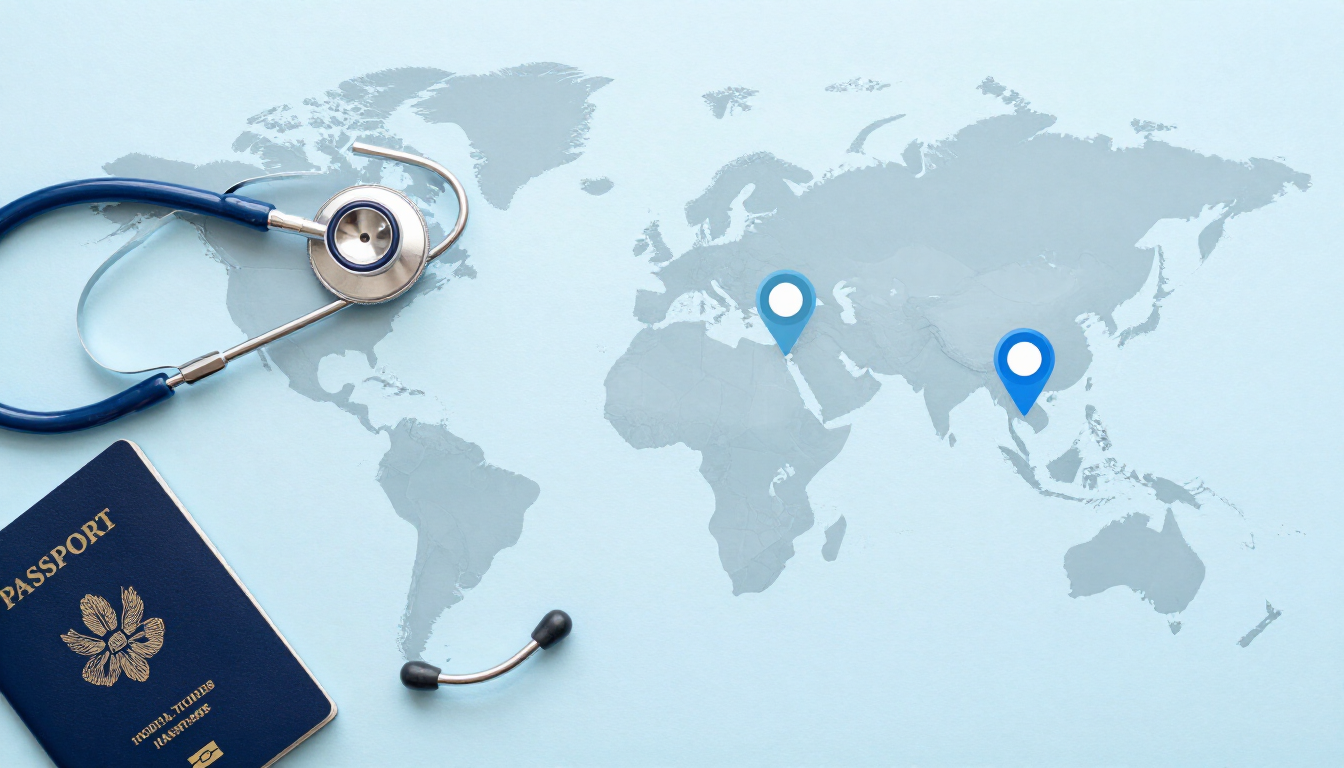
Wellness Tourism and Preventive Health Travel: What International Patients Should Consider
A balanced look at wellness tourism and preventive health travel — planning, provider verification, safety, privacy, travel logistics, and why professional guidance still matters.
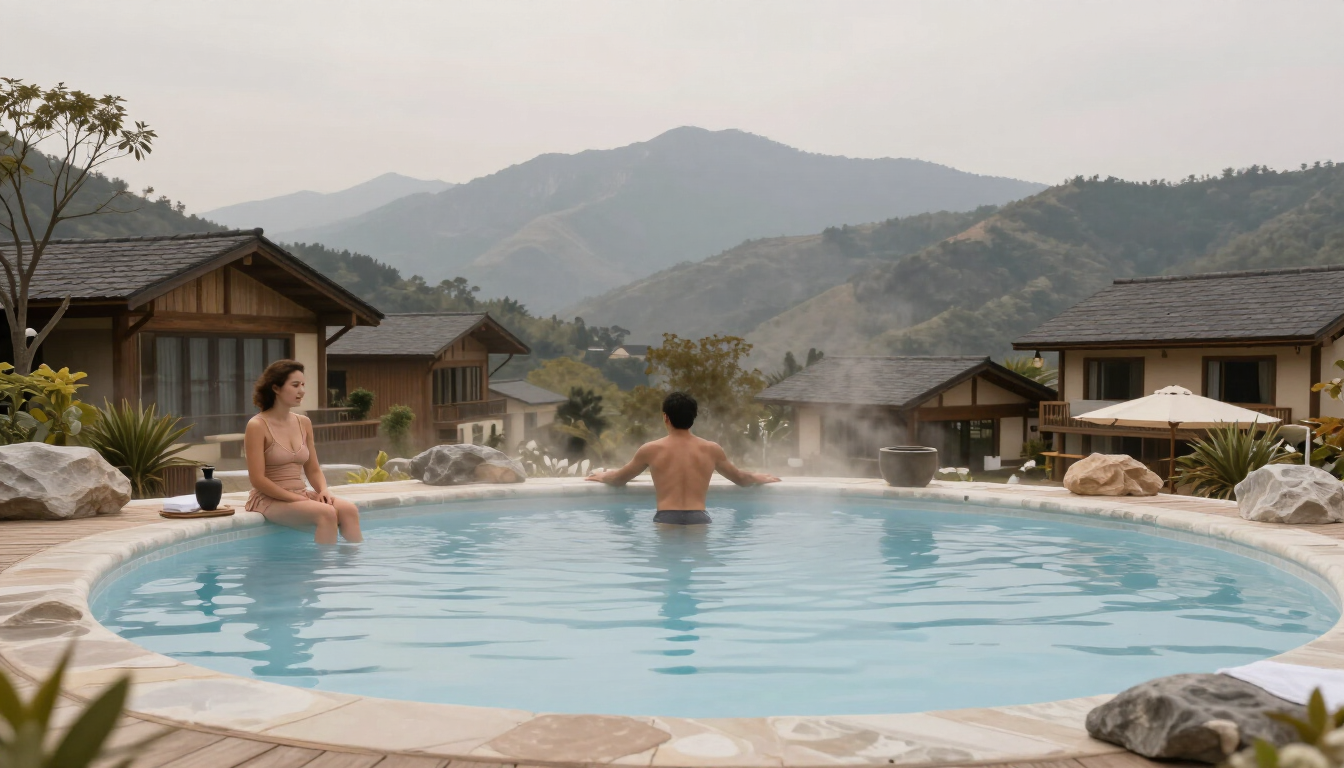
Wellness tourism and preventive health travel are growing parts of international healthcare. Patients travel for check-ups, screening, recovery-focused retreats, thermal therapies, and lifestyle or stress-management programmes. These services can complement conventional medical care, but they are not a substitute for it. This article explains what to consider when planning wellness or preventive travel. It is general information, not medical advice.
Wellness tourism vs preventive health travel
The two overlap but are not the same. Wellness tourism generally focuses on wellbeing — relaxation, stress reduction, thermal and spa therapies, fitness, and nutrition. Preventive health travel focuses on identifying risk early — health check-ups, screening, and diagnostic assessments. Some destinations combine both, offering a medical check-up alongside a recovery-focused stay.
Understanding the difference helps you set realistic expectations. A wellness retreat can support recovery and wellbeing, but it does not diagnose or treat disease. A preventive check-up can flag risk factors, but any findings require follow-up by qualified medical professionals.
Planning your trip
- Define your goal — relaxation, recovery after a procedure, a general check-up, or specific screening.
- Choose services that match that goal, and be clear about what they can and cannot deliver.
- Check what is included — assessments, consultations, accommodation, meals, and follow-up.
- Plan travel and stay logistics, including how long you should remain at the destination.
If you are combining wellness travel with recovery after a medical procedure, confirm with your treating physician that the destination and activities are appropriate for your stage of recovery.
Verifying providers
Provider verification matters in wellness and preventive travel just as it does in medical tourism. For preventive check-ups and screening, look for licensed medical facilities with qualified staff and recognised diagnostic standards. For wellness programmes, check the credentials of practitioners and the reputation of the retreat or centre.
Be cautious of providers who promise specific health outcomes, cures, or dramatic results. Responsible providers describe what they offer realistically and refer you to medical professionals when something falls outside their scope.
Safety and privacy
Safety includes both physical safety and data privacy. Confirm that facilities meet appropriate health and safety standards, and that any medical assessments are carried out by qualified staff. For preventive check-ups that involve tests and results, ask how your health data is stored, who can access it, and how it is shared. Your medical information should be handled with the same care as in any clinical setting.
Travel logistics and recovery
Wellness and recovery-focused travel often depends on a calm environment, good nutrition, and adequate rest. Consider climate, altitude, and accessibility, especially if you are recovering from a procedure or managing a chronic condition. Build in enough time to benefit from the programme rather than treating it as a short stopover.
When to seek professional guidance
Wellness and preventive services work best alongside, not instead of, professional medical care. If a check-up identifies a concern, follow up with a qualified clinician. If you have an existing condition, confirm with your doctor before booking wellness or recovery travel. General information — including this article and what you find through the AI Consultant — can help you plan, but it cannot assess your individual health needs.
This article is general information, not medical advice or a diagnosis. Wellness and preventive services do not replace qualified medical care. Any clinical findings require review by qualified medical professionals. In an emergency, call 112 (EU) or your local emergency number.
Planning wellness or preventive travel? Ask ALBGTC AI general questions, or connect with a coordinator for support.
Speak with a Coordinator